


Best eSIM for India (2026): Skip the KYC Queue
By  Ignas Simkus|Last updated: 22 September 2026|How we test
Locals get some of the cheapest mobile data on the planet. Tourists get a paperwork gauntlet first: passport copies, visa checks, a photo at the counter, and a wait before the SIM even wakes up. A travel eSIM skips that entire ritual, and the one you pick decides which Indian network you land on.
Article Summary
- Where I’d start: Saily: India plans from $3.99, riding both Airtel and Jio per third-party tests
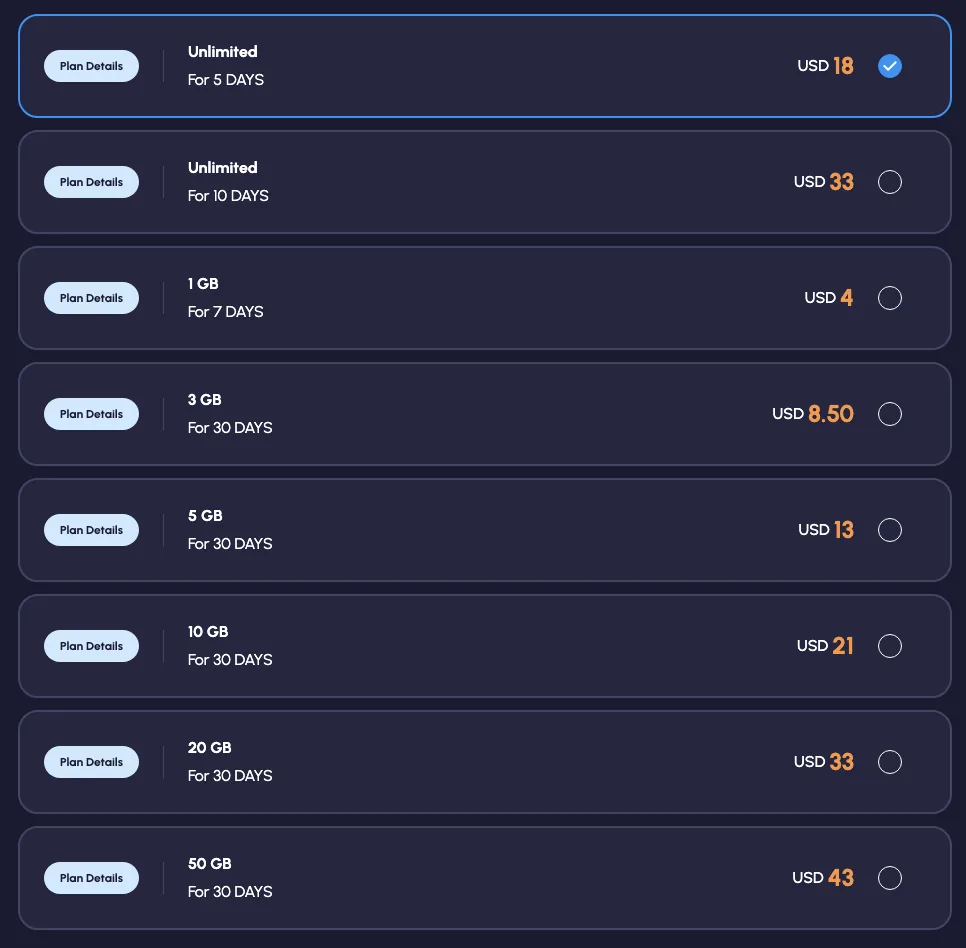
- Heavy-data value: Nomad: around $43 for 50 GB on Airtel
- The unlimited option: Airalo: unlimited passes, but its India plan lists the weaker Vi network
- The catch to know: travel eSIMs are data-only, so no Indian number. Keep your home SIM live for OTPs.
Why tourists can’t just grab a local SIM
Every new SIM in India goes through full identity verification under the Department of Telecommunications KYC rules. For a foreign visitor that means your passport, a valid Indian visa, proof of where you’re staying (a hotel booking usually does it), and a photo taken at the counter. Some shops still ask for a local reference: an Indian resident’s number, someone willing to vouch for you. Then you wait. Activation runs from half an hour at an airport desk to a day at a city store, and tourist connections are capped at 90 days or your visa length, whichever ends first.
None of this is malicious, and once you’re through, local data is absurdly cheap. The official Airtel and Jio counters at the big international airports are the fastest legal route, though you’ll pay tourist-counter prices and join the queue of every other arrival who had the same idea. It’s a rough first hour in a new country either way, and it’s the exact step a travel eSIM deletes. Your phone arrives already provisioned and simply roams on an Indian network, the way your home SIM would, minus the roaming bill. The identity checks happened when you bought the plan from your sofa. If the technology itself is new to you, the eSIM primer covers it in five minutes.
The picks, and what they cost
Three providers earn a slot here, on three different logics: entry price, per-gigabyte value, and not having to count gigabytes at all. All are install-before-you-fly, data-only plans.
I should also name what I skipped. Holafly’s unlimited India pitch lost out to Airalo’s because of the fine print: Holafly’s own fair-use terms run full speed for roughly 3 to 5 GB a day depending on destination, then throttle, and it doesn’t publish the threshold on the plan page. And the parade of no-name resellers undercutting everyone by a dollar tends to disappear exactly when you need support at midnight.
Saily
Cheapest way in at $3.99, with a ladder of sizes above it, and independent 2026 India tests report it connecting to both Airtel and Jio. Built by Nord Security, the company behind NordVPN.
Nomad
The per-GB winner: 20 GB for $33 or 50 GB for $43 on a 30-day clock. Rides Airtel only, which is a fine network but a single point of failure.
Airalo
Unlimited passes from 3 to 30 days for people who refuse to meter themselves. The trade-off sits below: its India plan lists Vi, the weakest of the three big networks outside cities.
| Provider | Indian network listed | Sample pricing (September 2026) |
|---|---|---|
| Saily | Airtel and Jio (third-party tests) | From $3.99; 10 GB for $23.99 |
| Nomad | Airtel | 1 GB from $4; 20 GB for $33; 50 GB for $43 (30 days) |
| Airalo | Vodafone Idea (Vi) | Unlimited passes $20.50/3d to $99/30d; fixed packs exist behind its Standard tab |
Prices and network details last verified September 2026.
If you’re weighing these three against the wider field for multi-country trips, the best travel eSIM ranking is the global version of this page.
Network reality: Jio, Airtel, and the Vi question
Which logo appears in your status bar matters more in India than in most countries, because the gap between networks is wide. Jio is the country’s largest operator by subscribers, per TRAI subscriber reports, and has pushed 4G and 5G deepest into small towns. Airtel matches it in the metros and, per 2026 coverage comparisons, is the stronger bet in the Himalayan corridors, while the Northeast is contested between the two. Vi runs a distant third outside the big cities.
That’s why the network behind each eSIM did the ranking for me. Saily names no operators on its site or in its app, but 2026 third-party tests consistently place it on both Airtel and Jio, a combination that covers the whole tourist map. Nomad’s Airtel-only setup is solid everywhere most visitors go. Airalo’s own India page names Vodafone as the primary network, which is fine for a Delhi-Agra-Jaipur loop and a real compromise in rural Rajasthan or the hills. Airalo has one more quirk worth knowing: its help centre says most eSIMs cannot be reinstalled once deleted, and the recovery flow only helps the exceptions, so treat deletion as losing the purchase.
Set your 5G expectations before buying: whether the icon appears depends on the roaming agreement your eSIM provider struck, not only on the network underneath, so treat any 5G badge as a bonus rather than a promise. A steady 4G connection on Jio or Airtel handles everything a traveller does with a phone.
Read the network line before you pay. Every provider states which Indian carrier its plan uses. Ten seconds of checking beats two weeks of one-bar signal.
How much data do you need in India?
You need less than you’d guess. Daily life in India runs on WhatsApp: hotel confirmations, taxi drivers, restaurant bookings, the lot. Payments happen by scanning UPI QR codes, which sip data. The heavy use comes from the usual suspects, maps all day and photo backups all night. For a typical two-week trip, 10 GB is comfortable; if you stream video in the evenings, size up or take the unlimited pass. Download offline maps for your route before you fly regardless: coverage on trains between cities dips in and out, and no provider choice fixes geography.
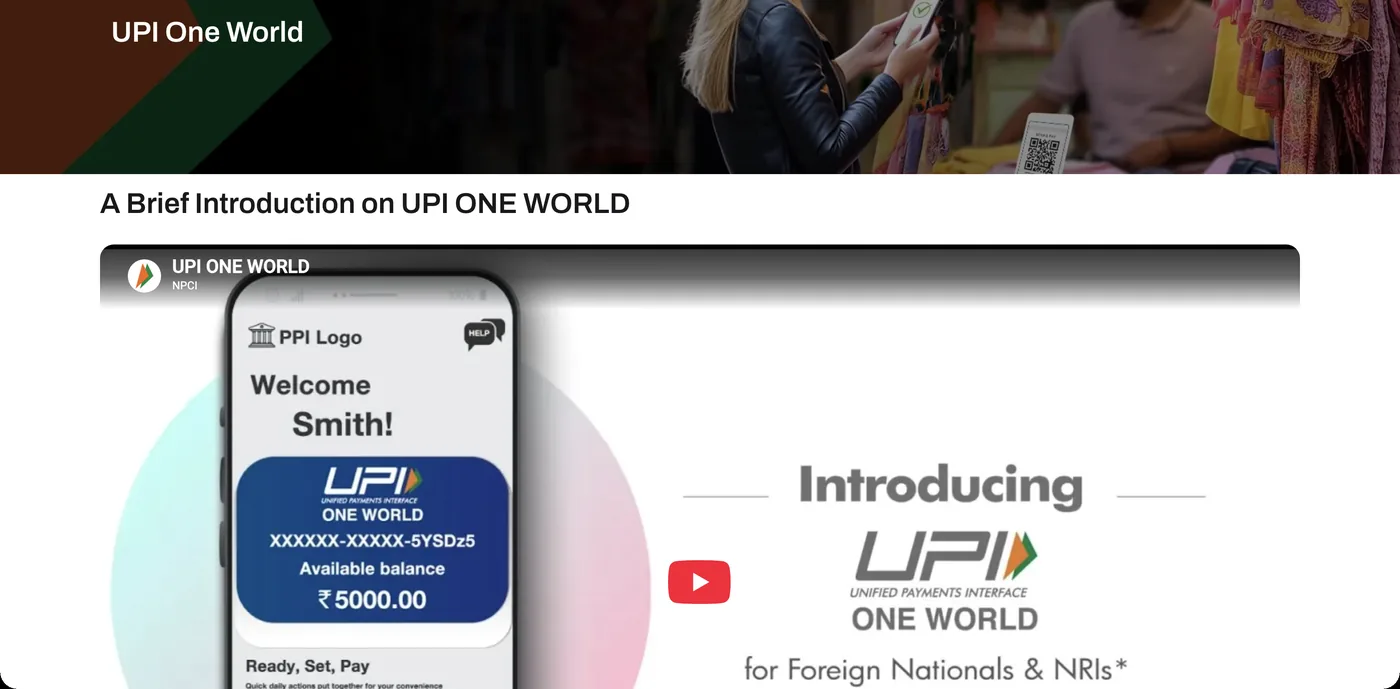
UPI deserves one honest paragraph. You will watch locals pay for everything from chai to electronics by QR code and wonder why your card feels medieval. Joining in as a foreigner is its own project: NPCI’s UPI One World prepaid wallet exists for visitors, with passport-and-visa KYC, top-ups from a foreign card with issuer gateway fees of about 3.5 percent, spending caps that vary by issuer in the first days, and unused balance refundable through the issuer when you leave. In practice, availability is still thin and the setup is a queue of its own. Cards work in city shops and restaurants; keep cash for markets and small stalls.
The OTP problem, and other practicalities
Here is the honest cost of skipping KYC: a travel eSIM gives you data, not an Indian phone number. India’s digital services lean hard on SMS one-time passwords sent to Indian numbers. Delivery apps and plenty of airport and cafe wifi login pages want to text you a code, and with a data-only eSIM those doors stay shut. The big exception is the railway: IRCTC’s foreign-user registration accepts a non-Indian mobile number plus email, both OTP-verified, for a one-time fee of about ₹100, so trains are bookable if the international SMS arrives.
Two mitigations. First, keep your home SIM active in the second slot with data roaming switched off; receiving the SMS codes your own bank sends is the thing you cannot travel without. Second, accept that some Indian-number-only services will stay out of reach, and route around them: book trains through your accommodation or an agent, and order food at the counter like it’s 2015.
Install the eSIM at home, on hotel or airport wifi departure-side, never after landing. The install walkthrough takes five minutes, and check your phone is carrier-unlocked before buying anything. If you land and nothing connects, the usual fix is a forced network re-select, covered in eSIM not working.
When a local SIM still wins
Staying longer than a month, or need an Indian number for those OTPs? Then the KYC queue starts paying rent. Local Airtel or Jio prepaid plans cost a fraction of any travel eSIM per gigabyte, and the number unlocks the services above. Do it at an official brand store rather than an airport kiosk, bring passport, visa and your hotel booking, and budget an hour plus the activation wait. For a two-week holiday, that hour is exactly what I’d pay $20 to avoid.
FAQ
Do travel eSIMs for India require KYC?
No Indian KYC applies. The eSIM is issued abroad and your phone connects to Jio, Airtel or Vi as a roaming device, so the in-store passport-photo-and-forms process never happens. Verification is just the normal account and payment check when you buy the plan.
Does an India travel eSIM include an Indian phone number?
No. The plans covered here are data-only. Calls run fine over WhatsApp, but SMS codes sent to Indian numbers cannot reach you, which is why keeping your home SIM active alongside the eSIM matters.
Can I pay with UPI using a travel eSIM?
The eSIM only supplies the internet connection. UPI itself needs either an Indian bank account or the UPI One World tourist wallet, which requires its own passport-and-visa sign-up. Once a wallet is set up, it works over any data connection, including a travel eSIM.