
ETIAS, Explained: Cost, Timing and How Not to Get Scammed
By  Ignas Simkus|Last updated: 6 September 2026|How we test
Europe’s €20 travel authorisation has no launch date yet and already supports a cottage industry of fake application sites. Here is what ETIAS will cost, when it realistically arrives, and how to recognise the one official source.
Article Summary
- €20, not live: the fee is set, the system is not yet running (September 2026)
- Realistic timing: the late-2026 target is gone from the main official pages; 2027 is the honest expectation
- Who it covers: visa-exempt non-EU nationals (US, UK, Canada, Japan and dozens more) visiting 30 European countries
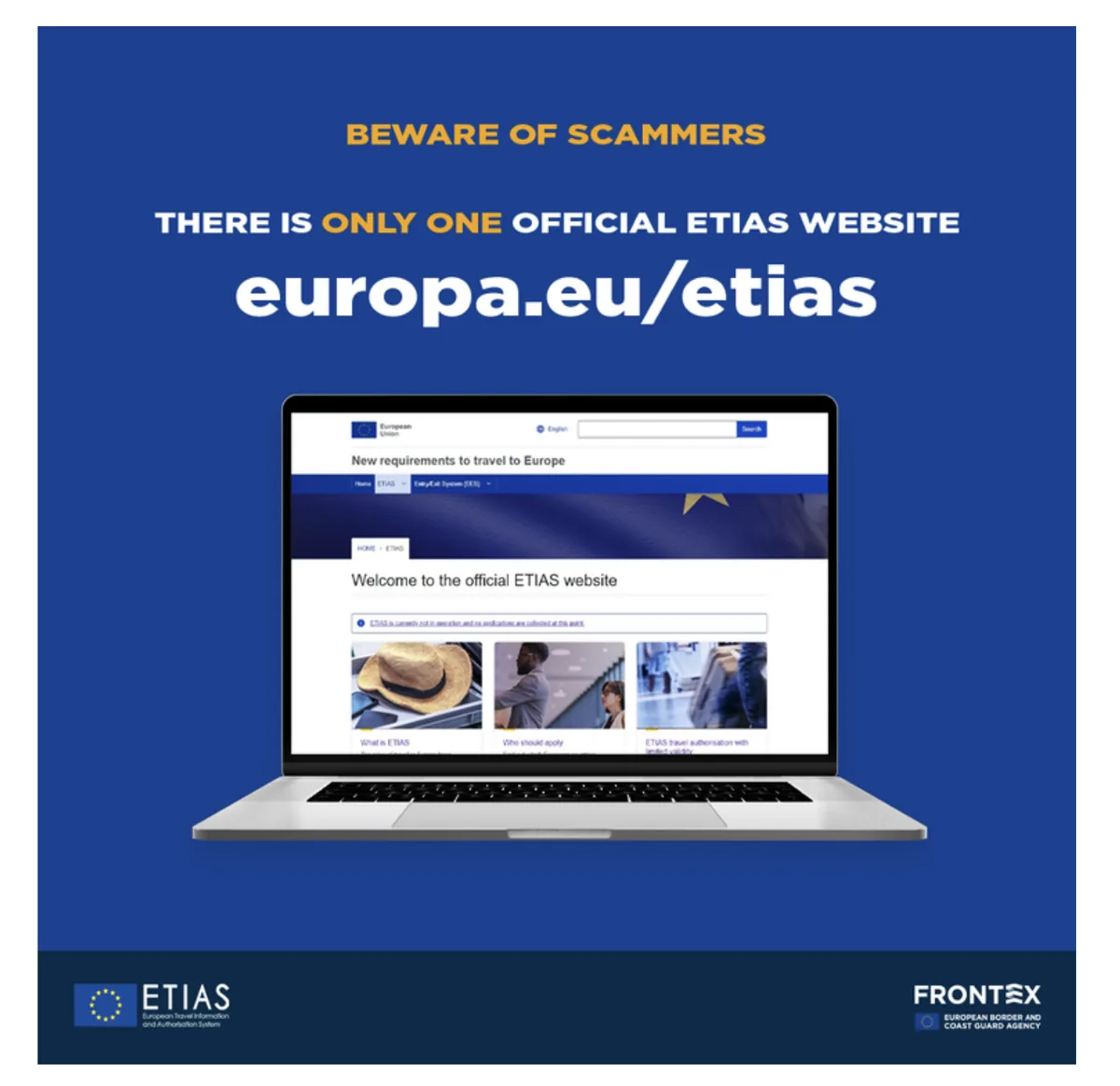
- The scam: lookalike sites already sell “applications” at multiples of the real fee; the only official home is europa.eu
What ETIAS is, and what it is not
ETIAS, the European Travel Information and Authorisation System, is an online pre-travel check for people who currently walk into Europe on a visa-free passport. You fill in a form, pay a small fee, and the EU screens your details against its security databases before you fly. The model is the American ESTA, and like ESTA it is explicitly not a visa: no embassy appointment, no biometrics, no interview, and no new right to stay longer. The 90-days-in-any-180 short-stay rule carries on exactly as before.
The authorisation ties to your passport electronically. There is no sticker and nothing to print; border officers see it when they scan the document. Per the EU’s official ETIAS pages, most applications should be decided within minutes of payment.
Who will need one
Every visa-exempt non-EU national making a short visit: Americans, Brits, Canadians, Australians, Japanese and the rest of a list the EU puts at around 60 visa-free nationalities, travelling to 30 European countries (September 2026). EU citizens never need it, and neither do travellers holding a residence permit or a national visa for the country they are entering. My Lithuanian passport rules me out by definition, which makes this a rare FFT article about something I will never use. The scam economy around it is why it earns the slot anyway.
Cost and validity
The official fee is €20, paid once, online, at the point of application. The EU’s fee rules exempt applicants under 18 and over 70, along with family members of EU citizens. An approved authorisation covers unlimited trips for three years, or until the passport it is tied to expires, whichever comes first. Renew the passport and the ETIAS dies with the old number.
| ETIAS at a glance | Detail (September 2026) |
|---|---|
| Official fee | €20, one payment per application |
| Fee exemptions | Under 18, over 70, family members of EU citizens |
| Validity | 3 years, or until passport expiry, whichever comes first |
| Trips covered | Unlimited entries within the standard 90/180 short-stay rule |
| Current status | Not live; launch date not yet announced |
Fees and official timelines last verified September 2026.
The honest timeline
Until recently the official line was late 2026. That target has been scrubbed from the main pages: the official ETIAS site no longer names a quarter, and says only that the start date will be announced several months in advance, though one EC explainer from April 2026 still carries the old late-2026 line. Put the official caginess next to the delivery record of every large EU border-IT project and 2027 is the realistic expectation. I would plan on it and be pleasantly surprised otherwise.
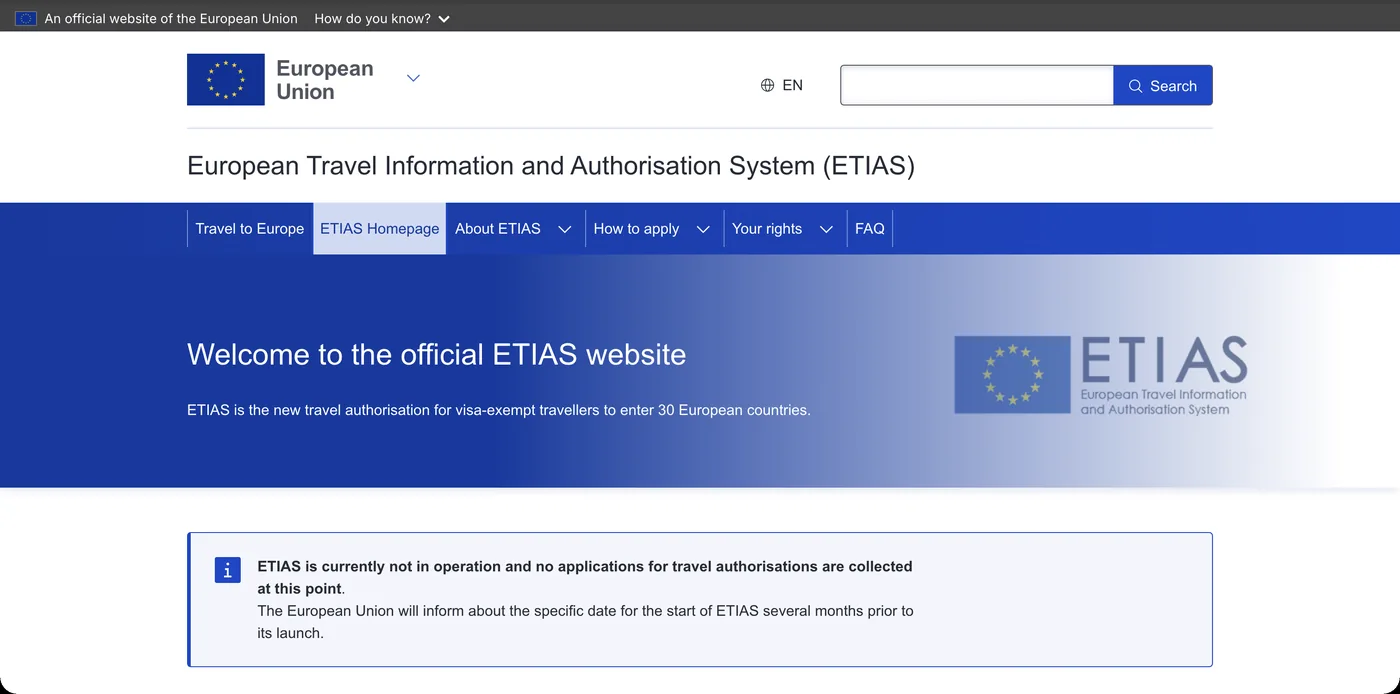
There are two softeners. The EU’s launch planning has described a transitional grace period, meaning nobody should be refused boarding on day one for lacking a form that was optional the day before. And ETIAS is the second half of a package whose first half has already happened: the EES, Europe’s biometric entry and exit system, has been fully operational since 10 April 2026, and our Europe guide covers what that changed at the border.
The scam industry that launched before the product
Here is the part that justifies writing about a system that does not exist yet. Frontex, the EU’s border agency, has counted more than 100 unofficial ETIAS websites, and describes the fees some of them charge as “extortionate”. Its blunter point sits one line lower: applying is not currently possible for anyone, because the system is not operational.
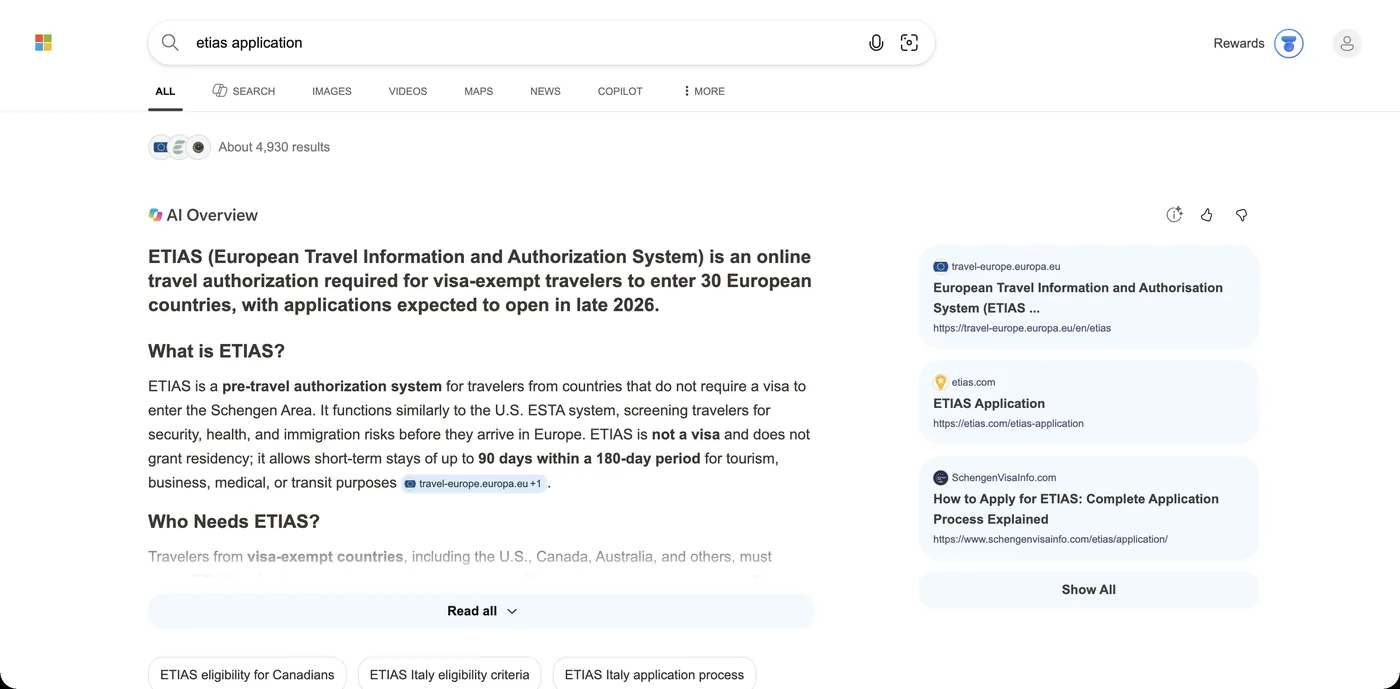
Sit with that for a second. A lookalike site that charges you a multiple of the real fee today has performed no service and joined no queue, because there is no queue. The best case is that it holds your money and your data until launch and then forwards a €20 form with a fat margin attached. The worse cases, per Frontex’s warning, run from junk fees to identity theft. Think about what an ETIAS form contains: passport number, home address, employment details, travel plans. That is a phishing kit’s dream haul, volunteered.
I take this genre personally. Getting burned by fake “tourist internet packages” is half the reason this site exists, and the ETIAS lookalikes run the identical play: a real obligation, an unfamiliar process, and a polished site that outranks the real one because it paid to be there. The product changes. The playbook never does.
How to spot a fake ETIAS site
The whole defence fits in one habit: verify the domain and ignore everything else the page says about itself.
- Official means .europa.eu. The one legitimate application home is europa.eu/etias. A polished site at etias-application.com or etias-visa.org is a middleman at best, whatever EU flags it wears.
- Anyone charging money today is selling nothing. No applications are being accepted, from anyone, at any price. There is no early queue to join.
- The real fee is €20, once. Any higher number is someone’s margin on a form you could file yourself in minutes.
- There is no expedited processing. A priority-lane upsell for a system that promises decisions in minutes is fiction sold to the nervous.
- The EU will not contact you first. An email or text saying your ETIAS is “required” or “expiring” is phishing; the system has issued nothing that could expire.
- Mind the ads. Lookalike sites buy the sponsored slots above your search results. The official page is usually sitting quietly below them.
One rule beats the whole checklist: never type passport details into an ETIAS-branded site unless the address bar ends in .europa.eu.
What to do now
The to-do list is short. Bookmark the official page, glance at it when a 2027 trip starts firming up, and let the EU’s promised months of notice do their job. If a form-filling errand this small tempts you toward a paid “assistant”, the €20 version with a coffee beside it will be the better morning.
Then put the energy into pre-trip jobs that exist today: sorting data out before you land, which our Europe eSIM guide handles, and knowing what your travel insurance covers before you need it to.
FAQ
Do UK passport holders need an ETIAS?
Yes, once it launches. Post-Brexit, UK citizens are visa-exempt non-EU nationals like Americans or Canadians, so the same €20 fee and three-year validity will apply. Until launch there is nothing for UK travellers to do.
How long will an ETIAS approval take?
The EU’s published expectation is that most applications are decided within minutes, with a formal window of a few days and a longer one, up to about a month, where extra checks or an interview are needed. The sensible habit once it is live: apply before booking anything non-refundable.
Is ETIAS the same as the EES?
No. The EES is biometric registration that happens at the border itself, has been running since April 2026, and involves no application. ETIAS is a pre-travel authorisation you will arrange from home before flying. You will eventually deal with both, at different points of the journey.