

Home»eSIM
Travel eSIMs: How to Choose One
By  Ignas Simkus|Last updated: 21 July 2026|How we test
A travel eSIM is the least interesting purchase you will make before a trip, and one of the few that ruins your first day if you get it wrong. I install one before every flight, and I’ve lived the broken first day too. Here’s how to choose one in about five minutes, and what the comparison sites tend to skip.
What an eSIM actually replaces
Three options exist when you land somewhere new. Roam on your home plan and accept the bill. Find a shop and buy a local physical SIM, which means queueing, a passport, and sometimes an hour you don’t have. Or install an eSIM before you leave and land with data already working.
The third option won on convenience, not price. A local physical SIM is often still cheaper per gigabyte, particularly for long stays. What an eSIM buys you is not having to solve a problem in an unfamiliar airport at midnight, which, depending on the trip, is worth considerably more than the price difference.
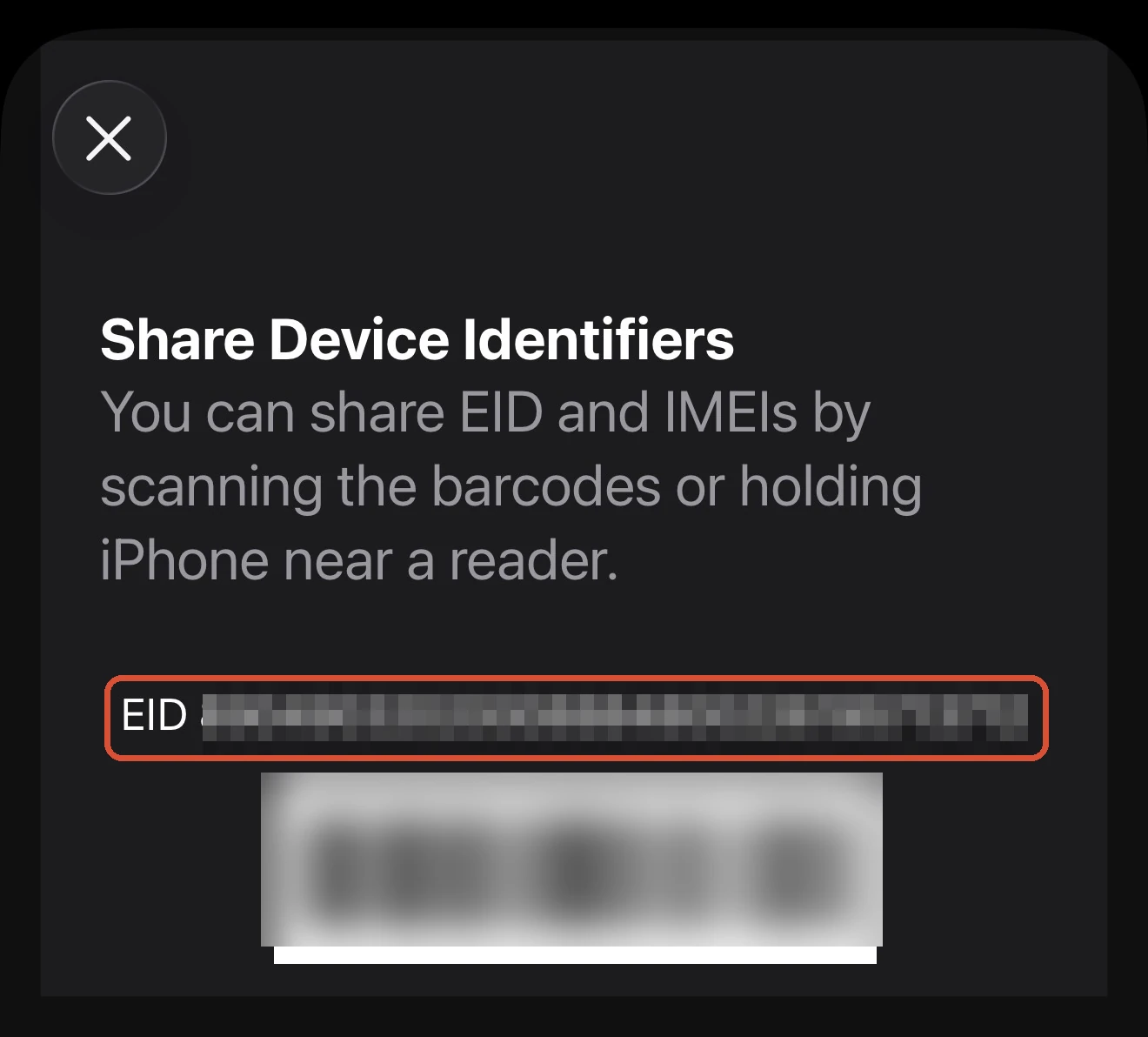
Two things to check before you buy anything: your phone must support eSIM, and it must be carrier-unlocked. Most phones from roughly 2019 onward do support it, but a handset bought on contract may still be locked even years later. Dial *#06#. Check: if an EID number appears alongside the IMEI, your phone has eSIM hardware.
Apple maintains an official guide to eSIM on iPhone, and the industry body behind the standard, the GSMA, explains how eSIM works under the hood.
The four things that actually differ
Which network it lands on
This is the one that matters most and gets discussed least. An eSIM provider is a reseller. They buy wholesale access to a local carrier and sell it to you. So “Airalo in Japan” is really “a Japanese carrier, resold”. If that underlying carrier has poor coverage where you’re going, no amount of app polish fixes it.
Good providers name the network on the plan page. Ambiguity there is a mild red flag, and worth checking against the carrier’s own coverage map for the region you’ll be in, not the country as a whole.
Whether “unlimited” is unlimited
It generally isn’t. Most unlimited plans carry a fair-use threshold, after which speeds drop sharply, sometimes to a level where maps still work but video doesn’t. That’s a perfectly reasonable product, and for a lot of travellers it’s the right one. It’s just not what the word implies.
Read the fair-use policy before buying an unlimited plan, and treat the daily threshold as the real number.
Data-only, or calls and texts too
Most travel eSIMs are data-only. You keep your home number for calls and SMS, and use data for everything else. This is fine right up until a bank or airline sends a verification code to your home number while it’s roaming. Check that your home SIM can still receive SMS, or you can find yourself locked out of the booking you’re trying to change.
Top-ups and expiry
Plans expire, usually 7 to 30 days from activation. Some let you top up in-app and extend; some require buying a fresh plan. If your dates are uncertain, top-up flexibility is worth more than a slightly lower headline price.
How to pick, quickly
Match the plan to the trip rather than hunting for the cheapest per-gigabyte figure. The saving between providers on a one-week trip is usually a couple of pounds, and it is not worth twenty minutes of comparison.
- Short trip, one country: buy a small local plan for that country. Regional plans cost more and you won’t use the coverage.
- Multi-country trip: a regional plan avoids buying and activating a new eSIM at every border.
- Heavy user, or you refuse to think about data: an unlimited plan, after you’ve read the fair-use threshold.
- Long stay, cost-sensitive: an eSIM for the first day or two, then a local physical SIM once you’ve landed and have time.
Who we cover
We currently look at four providers in this category, chosen for catalogue breadth, price, and how they handle the awkward cases above:
- Airalo: the widest country catalogue and the category default
- Saily: newer, clean app, built by the team behind NordVPN
- Holafly: unlimited-data plans, for people who won’t count megabytes
- Nomad: frequently the cheapest per gigabyte
eSIM guides
- Airalo Alternatives (2026): When the Default Isn’t the Answer: Four situations where a different eSIM beats Airalo: price per GB, unlimited data, app and security, and…
- Airalo Review (2026): The Category Default, Tested Properly: Airalo is the safe default eSIM, but rarely the cheapest, and coverage depends on the network it resells.…
- Airalo vs Holafly (2026): Fixed Data vs Unlimited, Honestly: Airalo vs Holafly: fixed data or unlimited? The honest comparison, including the daily fair-use cap…
- Airalo vs Saily (2026): The Default vs the Challenger: Airalo has the wider catalogue, Saily the better app and a built-in security layer. Where each one wins,…
- Best Travel eSIM in 2026: Ranked for Real Trips: There is no single best travel eSIM; the right pick changes by destination. How Airalo, Saily, Holafly and…
- Best Unlimited Data eSIMs (2026) — and What ‘Unlimited’ Hides: Every unlimited travel eSIM throttles after a daily fair-use cap. We compare the caps, the throttle…
- Best eSIM for Bali (2026): The Telkomsel Question: Bali coverage is a one-carrier story: Telkomsel reaches where Indosat and XL don’t. Which eSIMs ride…
- Best eSIM for Europe (2026): One Plan for 30 Countries: A regional eSIM covers all of Europe on one plan. Our picks, the UK and Switzerland inclusion trap, and…
- Best eSIM for Japan (2026): Carrier Coverage Decides It: The best eSIM for Japan comes down to which carrier it rides, not the brand. How Ubigi, Airalo, Saily and…
- Best eSIM for Mexico (2026): Check the Network Before the Price: Telcel reaches where AT&T and Movistar thin out, but the big eSIM brands do not all ride it. What the…
- Best eSIM for Switzerland (2026): Don’t Trust Your Europe Plan: Your Europe plan probably excludes Switzerland. Saily (tested), Airalo and Holafly compared, with…
- Best eSIM for Thailand (2026): Tourist Plans vs the Hype: The Thailand eSIM choice is really AIS vs True coverage, and city trips differ from island trips. Our…
- Best eSIM for Turkey (2026): Why Your Europe Plan Won’t Work: Most ‘Europe’ eSIM plans quietly exclude Turkey. Which providers ride Turkcell, the network…
- Best eSIM for Vietnam (2026): Viettel covers the Vietnam the other networks don’t: the mountains, the coast roads, the loops.…
- Best eSIM for the USA (2026): For Visitors: US travel eSIMs ride T-Mobile or AT&T. Which network fits city trips vs road trips, our provider…
- Cheapest eSIMs That Are Actually Usable (2026): Cheap eSIM data is easy to find and easy to regret. The per-GB floors that are real, the false economies,…
- Holafly Review (2026): What ‘Unlimited’ Really Gets You: Holafly’s unlimited eSIM plans are real, with a daily fair-use cap and a hotspot limit. Who…
- How to Install an eSIM on Android (Pixel & Samsung Differences): Step-by-step eSIM install for Android: exact menu paths for Pixel and Samsung, the compatibility and…
- How to Install an eSIM on iPhone (Step by Step, With the Gotchas): Install a travel eSIM on iPhone in five minutes: compatibility and unlock checks first, then QR or app…
- Nomad Review (2026): The Value Pick, Checked: Nomad is regularly the cheapest per GB on big data packs, especially across Asia. What the discount costs…
- Saily Review (2026): Nord’s eSIM, Beyond the Marketing: Saily is the NordVPN team’s eSIM, with a built-in ad and tracker blocker. Is the connection as good…
- What Is an eSIM? (And How It Actually Works When You Travel): An eSIM is a SIM your phone already has, waiting to be switched on. How it works, what it fixes for…
- eSIM Not Working Abroad? The 10-Minute Fix Checklist: eSIM showing no service abroad? Do not delete it. This checklist fixes the most common causes in minutes,…
- eSIM vs Roaming vs Local SIM: The Actual Cost Math: eSIM, roaming or a local SIM? The actual cost maths, with worked examples by trip length, so you can pick…
The rest of the stack
An eSIM is one of four things worth sorting before you fly. A travel VPN gets your home services working from abroad, a no-fee travel card stops you losing 3% on every purchase, and travel insurance covers the one risk that actually matters. All four together are on our travel tech stack.
Where to start: Airalo. The widest catalogue in the category at 200+ countries and regions, a clean app, round-the-clock support, and in-app top-ups make it the provider you can default to without researching every destination. Switch to Holafly if you refuse to count data (its unlimited plans run full speed for roughly 3 to 5 GB a day per 2026 reporting, then slow down), to Nomad when price per gigabyte is everything, and to Saily if you want an ad and tracker blocker built into the data. In a handful of destinations the resold network flips this answer, which is exactly what our country guides are for. The full head-to-head reasoning lives on our travel tech stack.
How we handle claims we haven’t tested first-hand is set out in how we test.