
Home»Travel tips»EES at the border
EES Biometric Borders: What Actually Happens at the Gate Now
By  Ignas Simkus|Last updated: 18 September 2026|How we test
Europe scrapped the passport stamp. Since April 2026, 29 countries log non-EU visitors in and out digitally: fingerprints and a photo on the first trip, a quick verification after that. Here is what happens at the gate, how long it takes, and what the system now knows about you.
Article Summary
- Stamps are gone: 29 European countries record entries digitally; fully operational since 10 April 2026
- First entry: four fingerprints plus a photo at the desk or kiosk; free, and worth budgeting extra time for on a first crossing
- Repeat entries: verification only; your record lasts three years from your last exit
- The 90/180 count is automatic now: the system does the maths that faded stamps used to fudge
Rules and dates last verified September 2026.
What changed on 10 April 2026
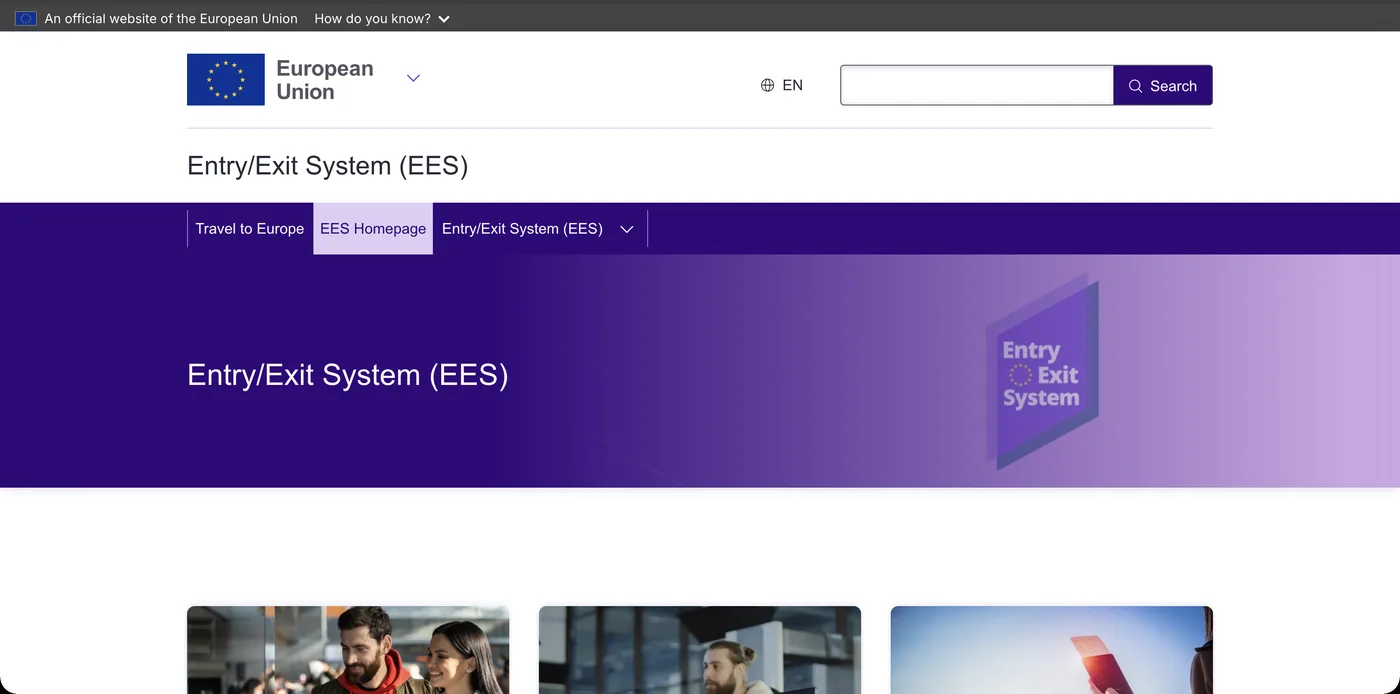
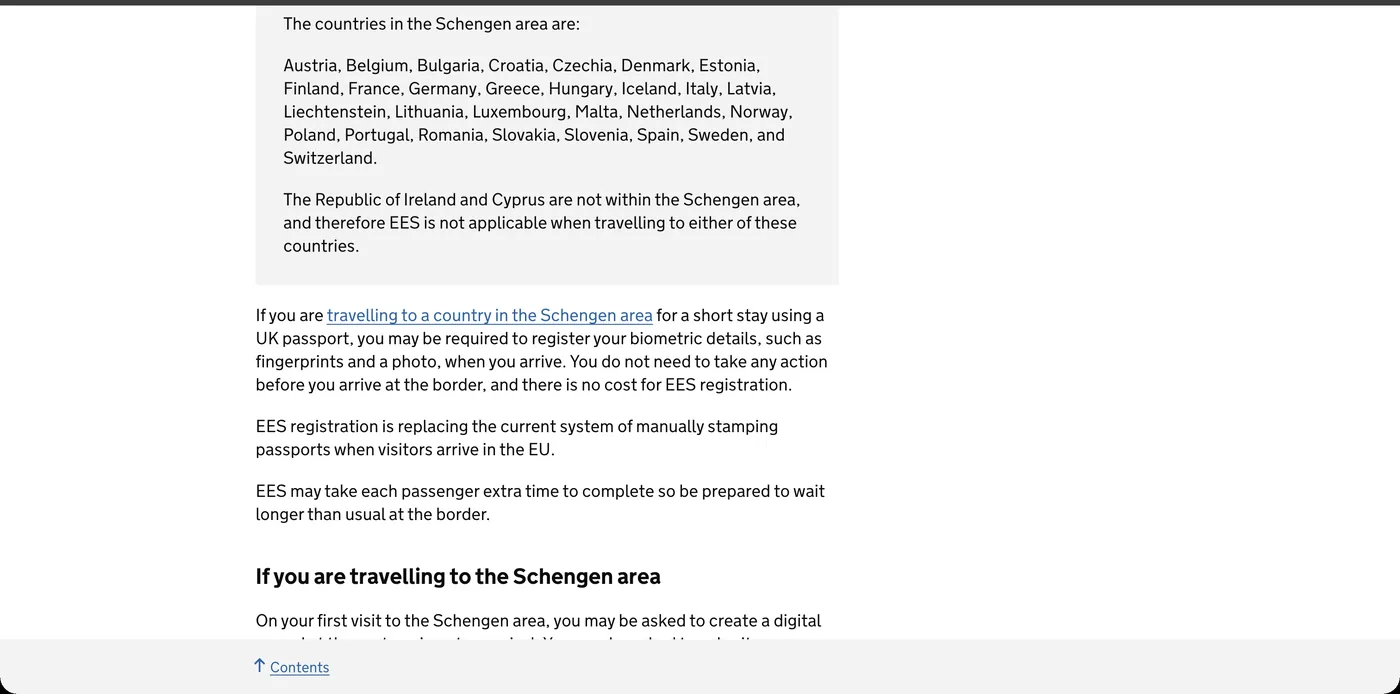
The Entry/Exit System went fully operational on 10 April 2026 after a progressive rollout that began on 12 October 2025, per the EU’s official EES pages. It covers 29 European countries and applies to non-EU nationals entering for short stays. Each crossing now lands in a database: who you are, when and where you crossed, and the biometrics proving the passport belongs to you.
Full disclosure on where I stand: I cross these borders most months on an EU passport, so EES never touches my lane. What changed is the other queue. If you travel on a UK, US or any other third-country passport, that queue is now yours, and it behaves differently depending on whether the system has met you before.
Keep one name separate from all of this: ETIAS. That is a pre-travel authorisation, EUR 20 and still not live, with 2027 the realistic start. EES is the system already running at the gate.
First entry: the full enrolment
Your first crossing since the rollout is the slow one. The sequence, per the official pages:
- Passport check: the chip gets read and the usual short-stay questions still apply. Nothing to fill in beforehand; everything happens at the border.
- Fingerprints: four fingers on the scanner, for everyone aged 12 and over.
- Facial photo: taken at the desk or kiosk, glasses and hat off.
- Record created: your entry date and crossing point go into the system, and every later trip checks against this record.
Registration is free, and the UK government’s guidance says it plainly: no cost for EES registration. One thing the EU pages are blunt about: refuse the biometrics and you are refused entry. There is no paper alternative to fall back on.
Repeat entries: verification, often at a kiosk
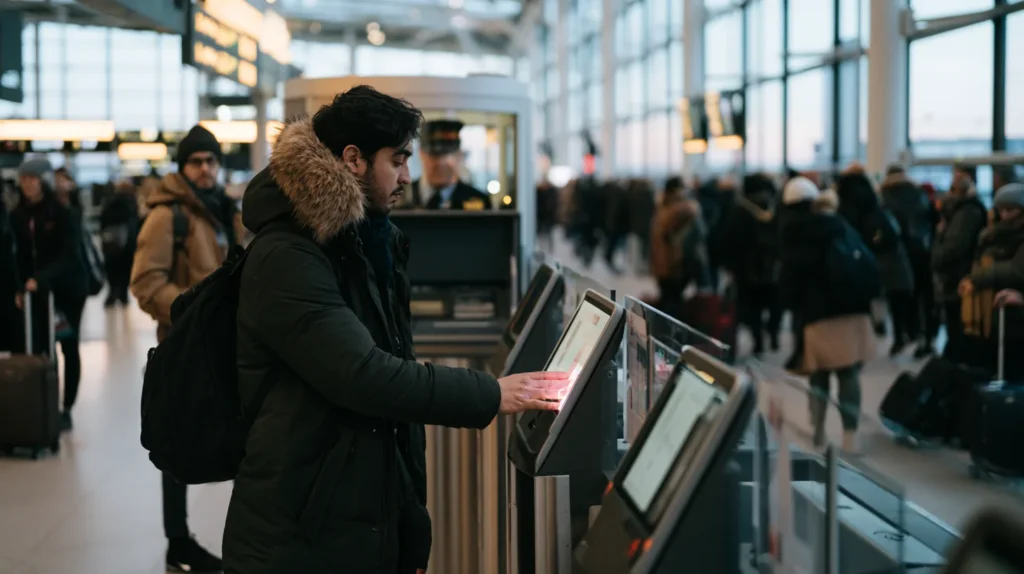
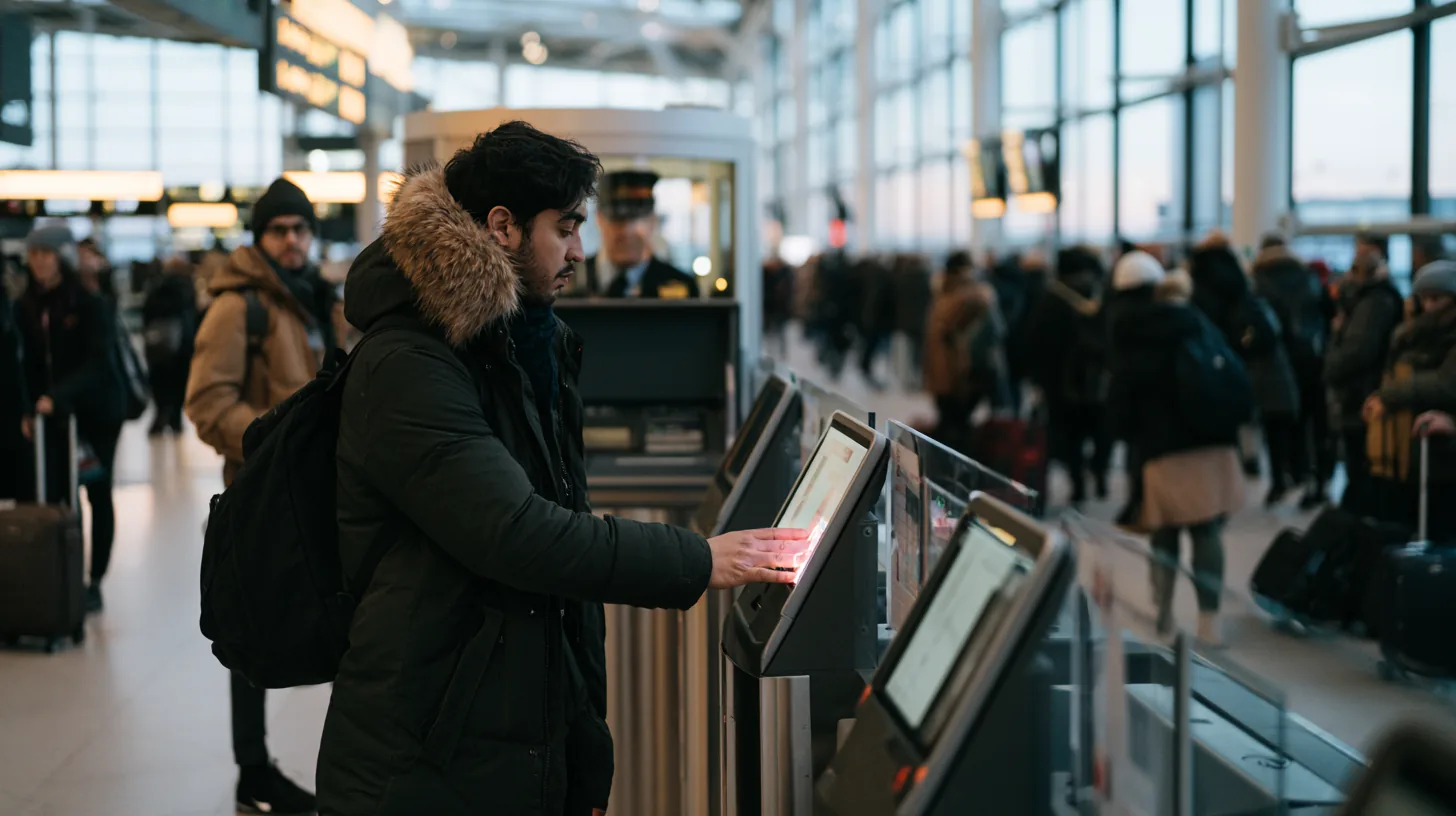
Come back within three years and the border only needs to confirm you are the person in the record. That means a face check against the stored image, sometimes a fingerprint, and considerably less time at the desk. Airports and ports across the zone run self-service kiosks for exactly this step: scan the passport and look at the camera, then a border officer does the final wave-through. On exit, the crossing gets logged too, and gov.uk’s guidance notes you may be asked for a fingerprint or photo again on the way out.
How long it takes
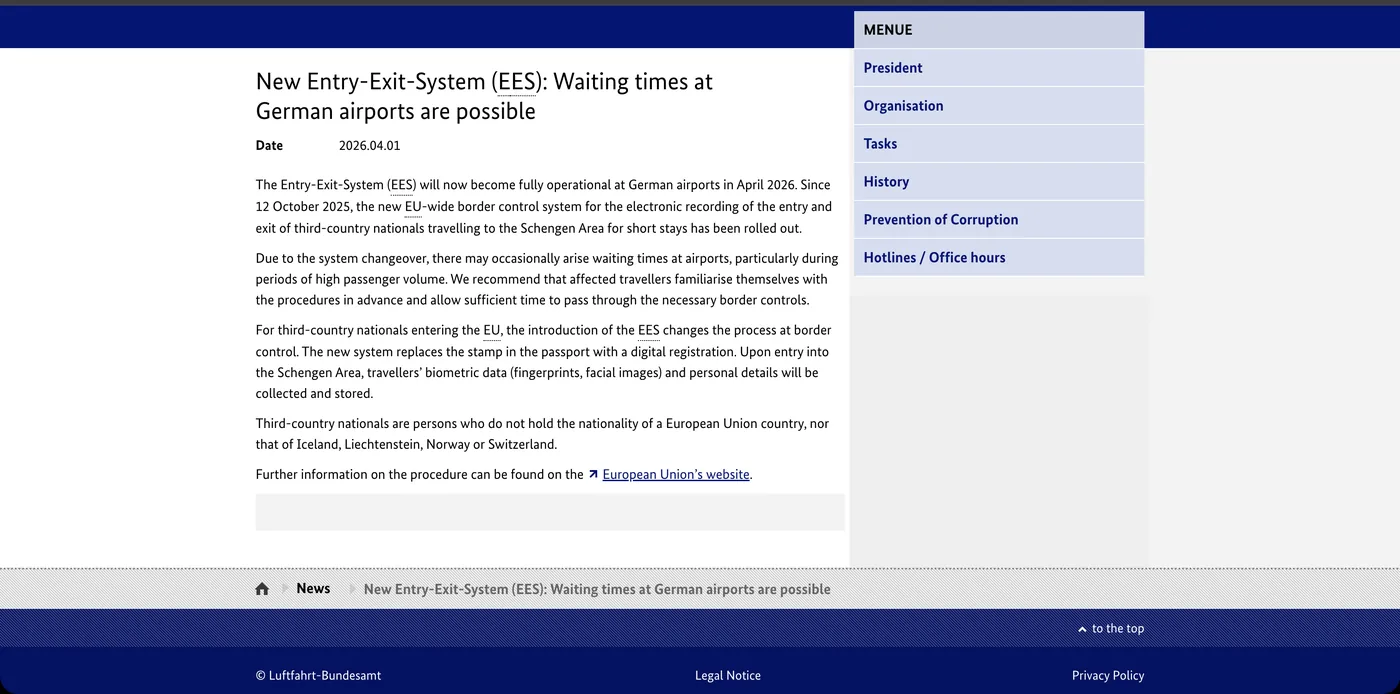
Neither the EU pages nor gov.uk commits to a duration for the enrolment itself; the UK guidance just tells you to be prepared to wait longer than usual at the border. The queue maths is what bites: a widebody of first-timers, each needing fingerprints and a photo, lands on the same bank of desks at once. Travel press tracking the rollout reported waits of several hours at the worst-hit hubs during peak summer weeks, and Germany’s federal aviation office, the Luftfahrt-Bundesamt, keeps a notice up saying the changeover can mean airport waits when passenger volume runs high. The rollout regulation planned for exactly this: Regulation (EU) 2025/1534 lets crossing points pause the biometric part of the process for up to six hours at a time when queues get excessive, during the 90 days after full rollout, with an automatic 60-day extension written in if rollout-era biometric registration ran under 80 percent, an extension that the pauses reported at Paris, Amsterdam and Frankfurt in August suggest was in force. Portugal leaned on it earliest, at Lisbon, Porto and Faro. That valve winds down in early September 2026, so from autumn the queue is the queue. The picture is better now than it was in spring, but a first entry at a major hub in high season still deserves a bigger buffer than you used to leave.
What gets stored, and for how long
The record holds your name, travel document data, the four fingerprints, the facial image, and the date and place of each entry and exit. Refused entries are stored as well. Retention is three years from your last recorded exit, per the official EES pages, and the UK guidance carries the same three-year figure: register once, and trips inside that window skip the full enrolment. Stay away longer than three years and you start from scratch.
The 90/180 count is now automatic
Visa-free visitors get 90 days inside any rolling 180-day window, and the system now does that arithmetic on its own. This ends a genre of border argument that stamp-readers know well: the faded stamp, the missing stamp, the officer squinting at an entry date and deciding your fate by guesswork. The machine knows exactly when you entered and left, which cuts both ways. Careful travellers no longer get grilled over illegible ink; anyone who ran loose with the count has nowhere left to hide, because an overstay now flags itself.
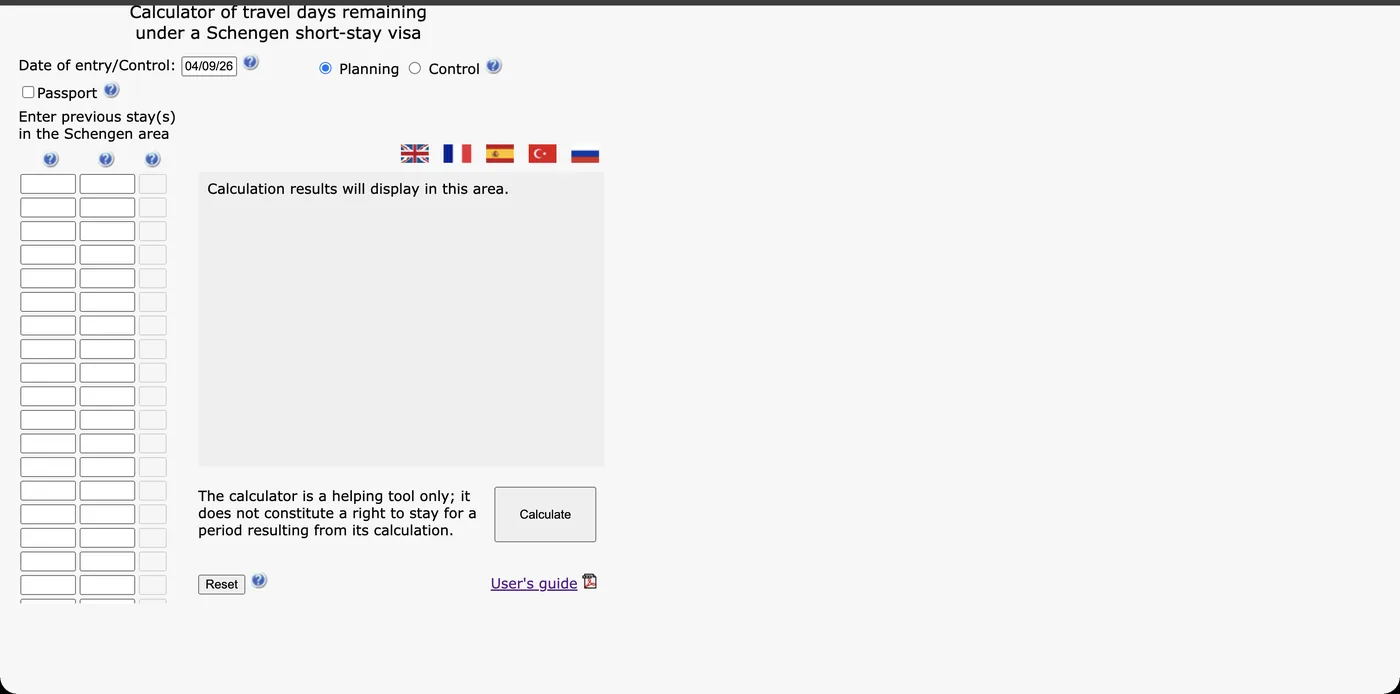
The 90/180 rule counts backwards. On any given day, look at the previous 180 days: your days inside the zone must total no more than 90. Run your dates through the European Commission’s Schengen short-stay calculator before booking, not at the gate.
UK passports and non-EU family members
UK travellers are third-country nationals here, so the full enrolment applies. The one mercy is geography: at Dover, Eurostar’s St Pancras terminal and the Eurotunnel site at Folkestone, checks are juxtaposed, meaning EES registration happens on UK soil before you board, in kiosk areas built for the purpose, per gov.uk.
The exemption list, on the official EES pages, covers people who live in the zone rather than visit it: residence permit holders, long-stay visa holders, and non-EU family members of EU citizens travelling on a residence card. If that is you, the exemption lives in the document, not in any database, so carry the card every time you cross.
Practical prep that pays off
- Passport basics still rule: issued within the last 10 years, valid at least three months beyond your planned exit, per the standard Schengen requirements.
- Budget extra time on a first entry: the enrolment queue at a big hub in season is the one place the system still bites.
- Take the kiosk when offered: it front-loads the scanning so the officer interaction shrinks to seconds.
- Land with data working: a long queue is where plans change, and rebooking a pickup from a dead phone is miserable. Sorting a Europe eSIM before wheels-down costs five minutes at home.
- Know your cover for missed connections: a border queue that eats your onward flight is a claims question, and policies differ on it. Read your policy’s delay wording before you rely on it.
FAQ
Does EES apply to EU citizens?
No. EU and Schengen-country nationals use their own lanes and are not registered in the system. EES exists to record non-EU nationals on short stays, which is why the changes are invisible from the EU-passport queue.
Do children go through EES?
Yes, but with a lighter touch. Children under 12 are exempt from fingerprinting, per the official rules, though a facial image is still taken and a record is still created. From age 12 upward the full four-fingerprint enrolment applies.
Is EES the same as ETIAS?
No, and the two get conflated constantly. EES is the border database already running. ETIAS is a separate pre-travel authorisation for visa-free visitors, priced at EUR 20 and valid for three years, and it is not live yet: official pages have dropped the late-2026 target, and 2027 is the realistic start, with a grace period promised at launch.